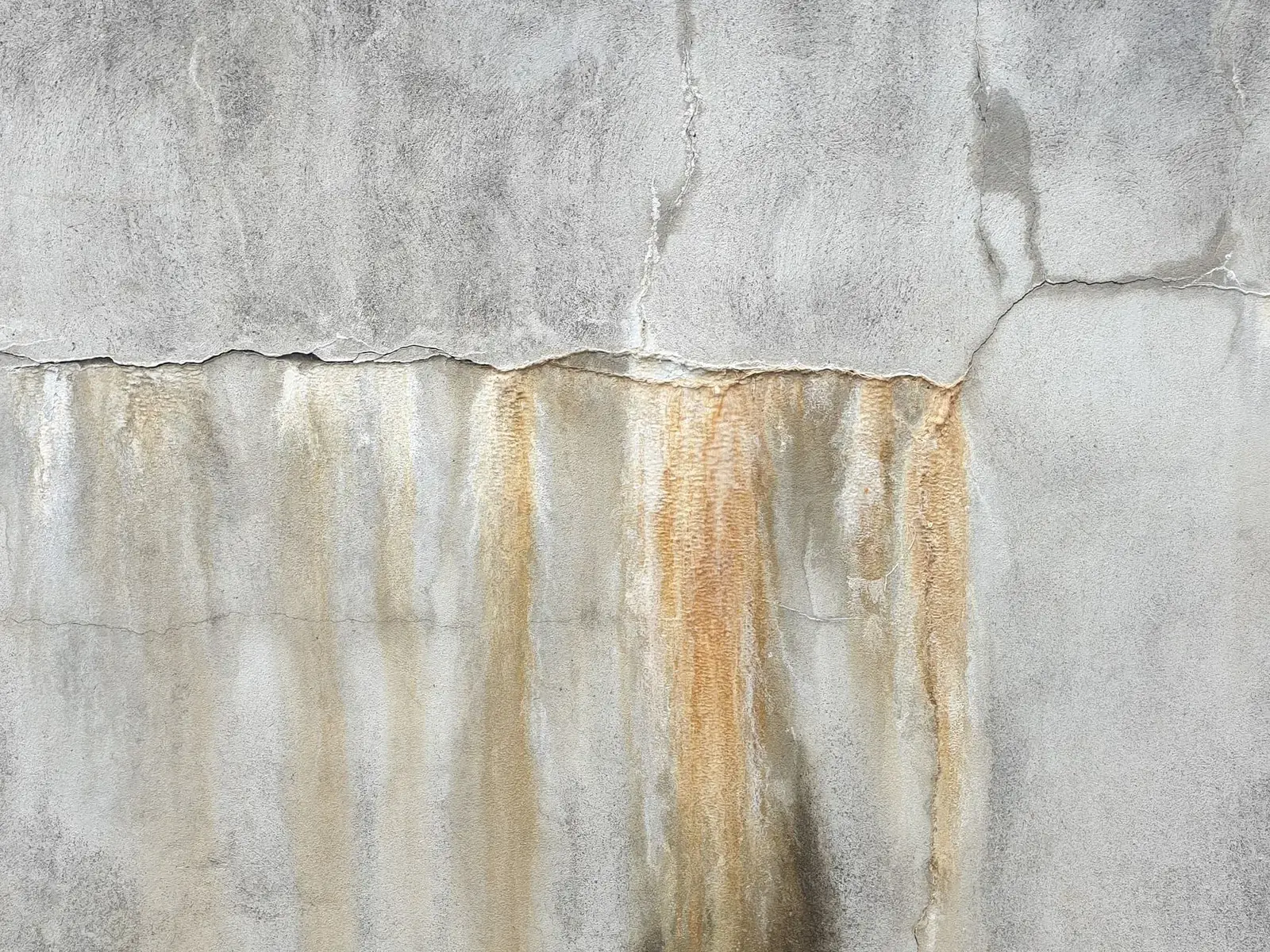
Crack Repair & Sealing
Seal cracks before they let water into the structure.
Homes & residential
Water seeping through the walls or floor after rain, white salt deposits, or a musty smell? We stop active leaks, seal the joints and treat the concrete from the inside, so the space stays dry under water pressure.
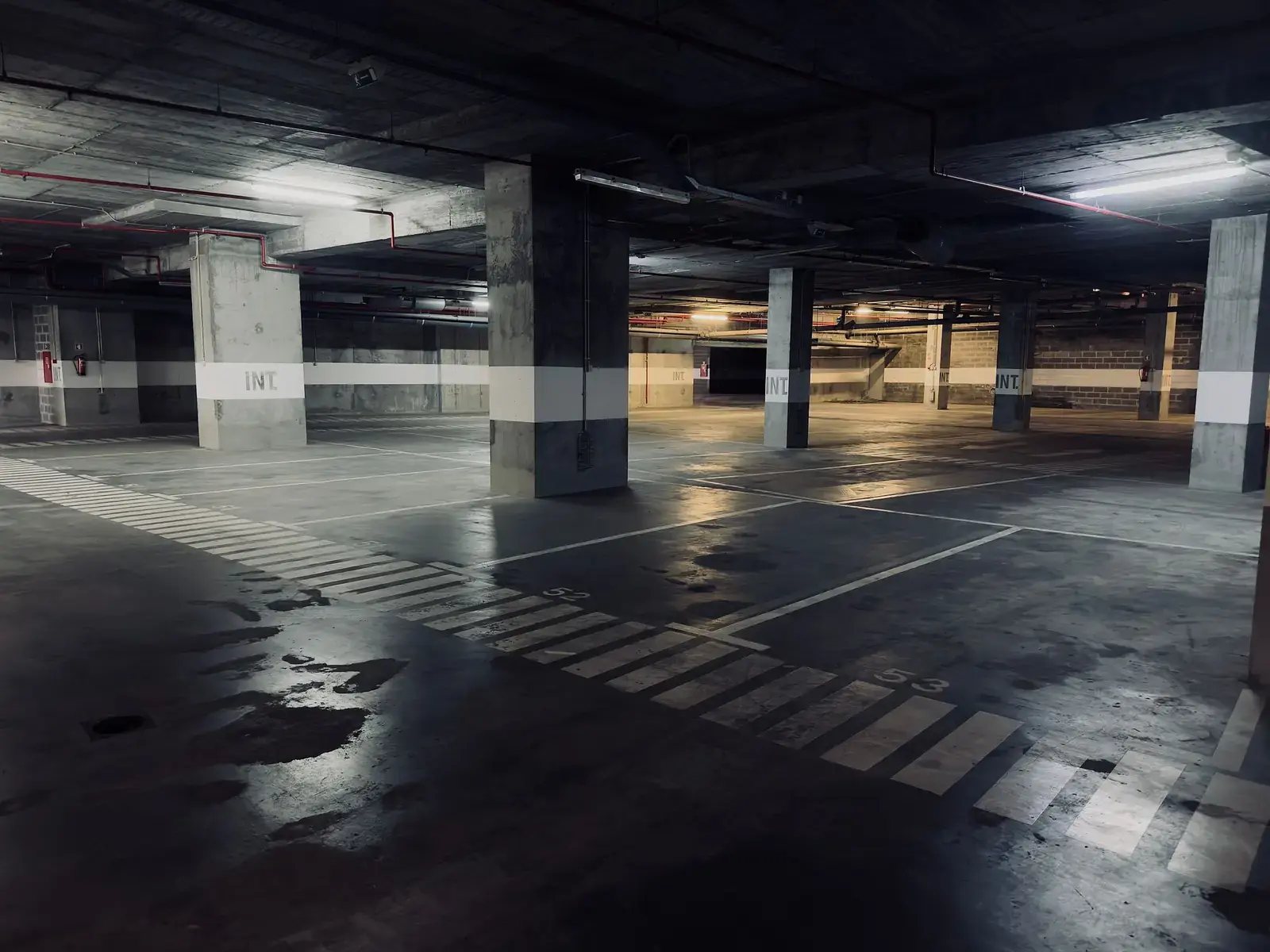
In an existing building the outside of the basement usually can't be reached, so we treat it from the inside with systems designed to resist water pushing from behind (negative-side waterproofing).
Polyurethane or resin injected through packers into leaking cracks and joints, filling the path the water was using.
Best forActive leaks through cracks and construction joints
A cementitious treatment whose chemicals react with moisture to grow crystals inside the concrete's pores and hairline cracks.
Best forDamp concrete walls and floors under water pressure
A polymer-modified cement coating rated for water pressure from behind, applied after repairs.
Best forMasonry and concrete walls that need a robust inner barrier
Internal drainage channels leading to a sump pump, for basements under constant high water pressure.
Best forVery wet sites where pressure can't be fully held back
What happens, in order, from the inspection to the handover.
We locate active leaks, damp areas, joints and pipe entries, and take readings.
Injection packers and fast-setting plugs stop running water first.
Paint and weak plaster removed back to sound concrete.
Crystalline or cementitious system applied, with joints and pipe entries detailed.
Coving at the wall-floor joint and a protective finish where needed.
We check the treated areas after heavy rain where possible, then hand over.
Suitable for
We don't publish one-size prices because the cause decides the treatment. These are the things that move the price.
Get an exact priceWe inspect first, then give you a written quotation.
Request a QuoteYes. Negative-side systems such as crystalline treatments, pressure-rated coatings and injection grouting are designed to work with water pushing from behind. They're the standard approach for existing buildings.
In most cases, yes. On very wet sites we may combine treatment with drainage and a sump. We'll tell you what's realistic for your basement before you commit.
Yes. Injection grouting works on actively leaking cracks, and fast-setting plugs stop running water so the rest of the treatment can go ahead.
Yes. Lift pits are a common source of standing water. We stop the inflow and treat the pit so the equipment stays dry.
More questions? Read all FAQs or ask us on WhatsApp.
Related services
Seal cracks before they let water into the structure.
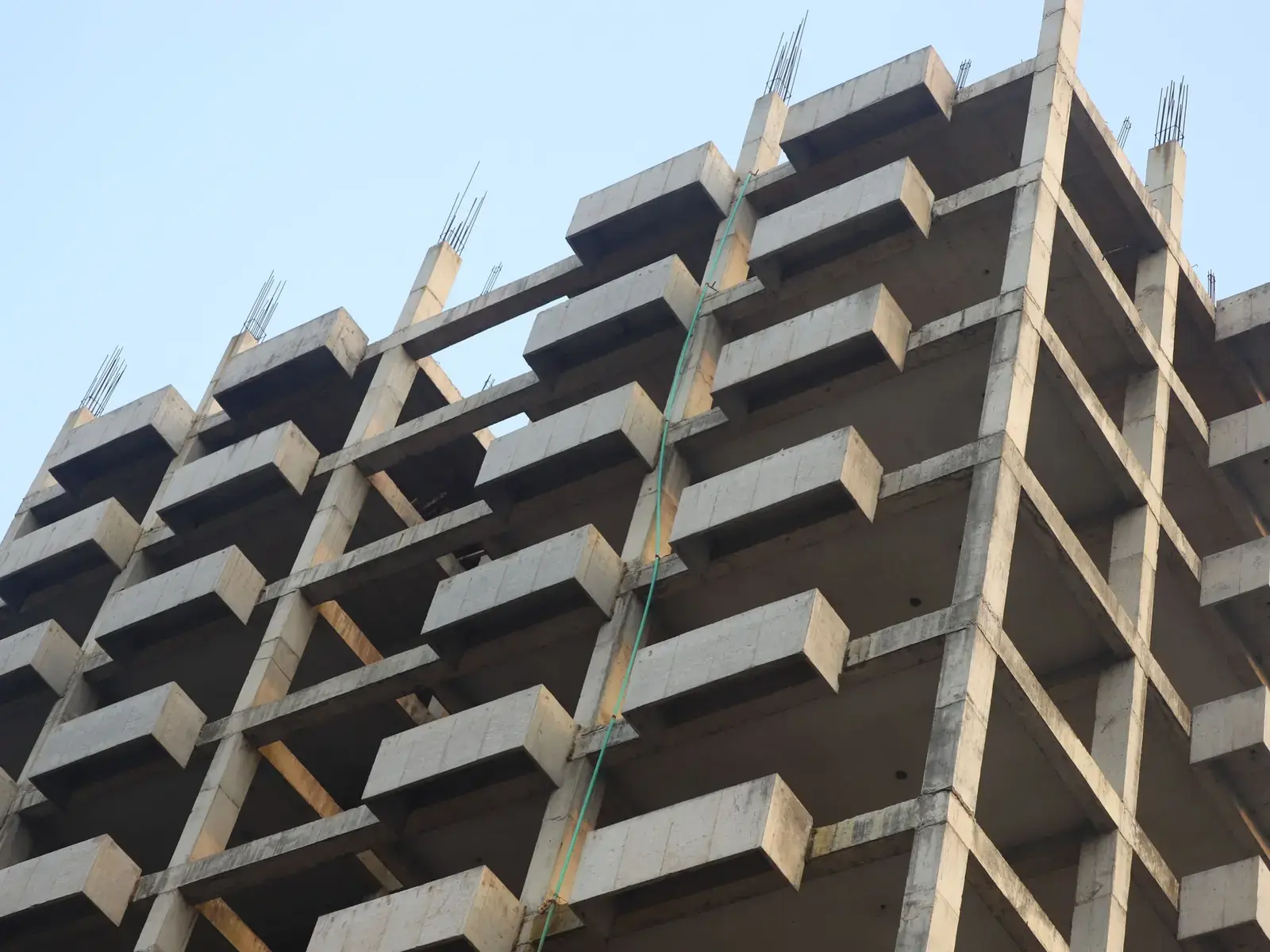
Build waterproofing in from the foundations, not as a repair later.
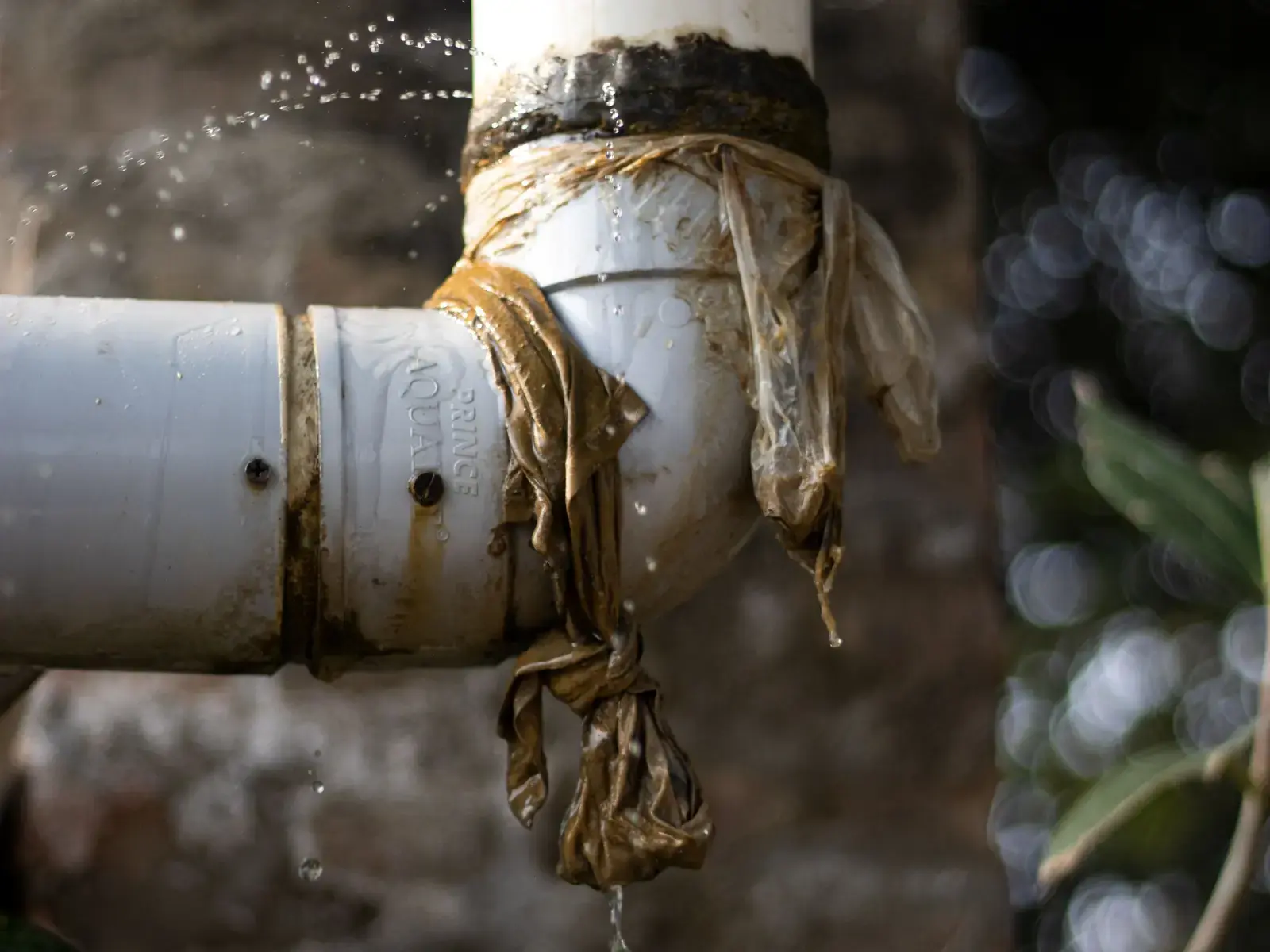
Find the exact source of a leak before anything gets broken.
Where we work
We offer this service in every area we cover — these are the areas where it's asked for most. Don't see yours? Ask us.
Get a free inspection
Tell us what's happening. We'll find the cause, explain it, and give you a written quotation for the right basement treatment.
Request a call back
Four quick details and we'll take it from there.